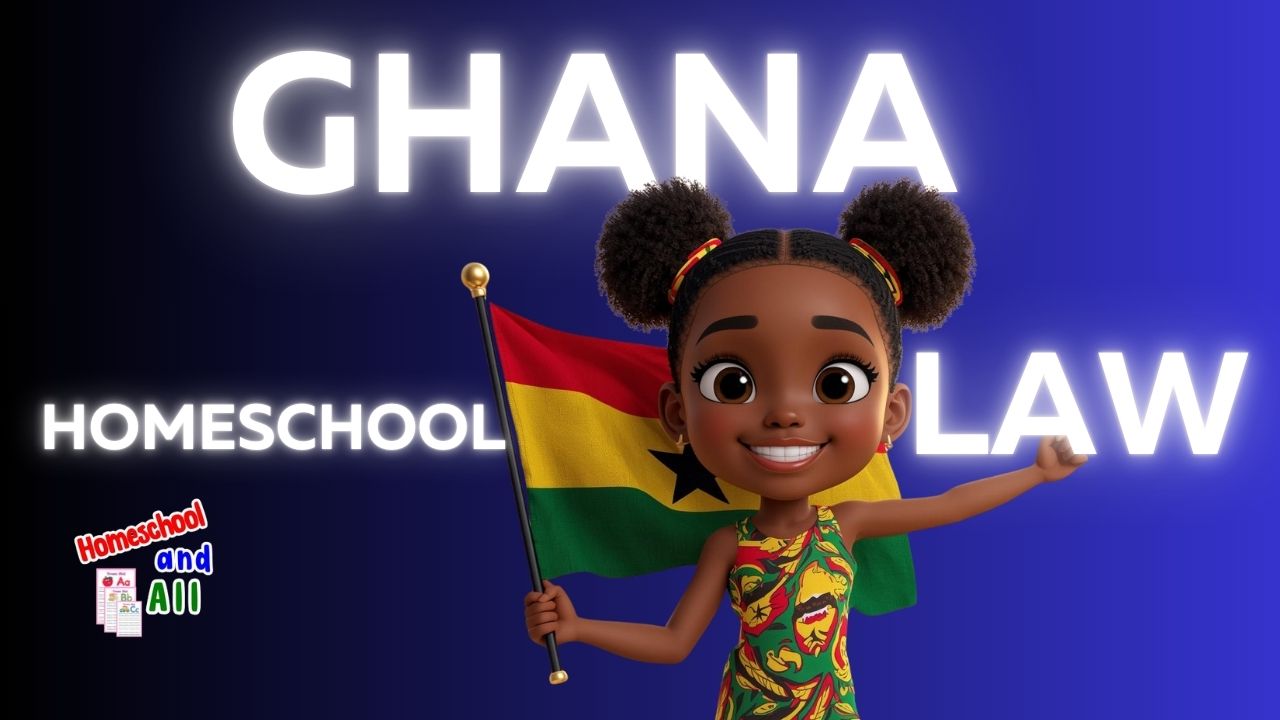
Homeschooling is an emerging educational option in Ghana, gaining interest among families seeking personalized learning experiences for their children. While the legal framework does not explicitly address homeschooling in detail, it operates within the broader context of the country’s constitutional and statutory provisions on education.
Compulsory Education Requirements
In Ghana, basic education is free, compulsory, and available to all children. The compulsory schooling period typically covers ages 4 to 15 (or approximately 11 years), encompassing kindergarten (2 years), primary school (6 years), and junior high school (3 years). This is enshrined in the 1992 Constitution of the Republic of Ghana, which emphasizes equal access to educational opportunities.
Key constitutional provisions include:
- The right to equal educational opportunities and facilities, with basic education designated as free, compulsory, and accessible.
- The obligation of Parliament to enact legislation ensuring parents fulfill their responsibility to raise and educate their children, always prioritizing the child’s best interests.
- A prohibition on denying any child education (or other benefits) based solely on religious or personal beliefs.
Legal Considerations for Private and Alternative Education
The Education Act of 1961 (as amended) requires that private educational institutions obtain approval from the Minister of Education prior to operation. Additionally, failure to notify relevant authorities within three months of establishing such an institution may result in penalties, including fines or imprisonment for up to one year.
While homeschooling is not expressly regulated as a distinct model, it is generally considered permissible in practice, particularly when aligned with national curriculum standards or affiliated with accredited private institutions. Many families opt to register their homeschool setup under existing private school guidelines to ensure compliance.
Parents exploring homeschooling are encouraged to consult the Ghana Education Service (GES) or legal experts for the most current guidance, as educational policies continue to evolve. Connecting with local homeschooling communities can also provide valuable support and insights into best practices.
For families committed to providing quality education at home, Ghana’s framework supports parental involvement while upholding the national goal of universal access to learning.
